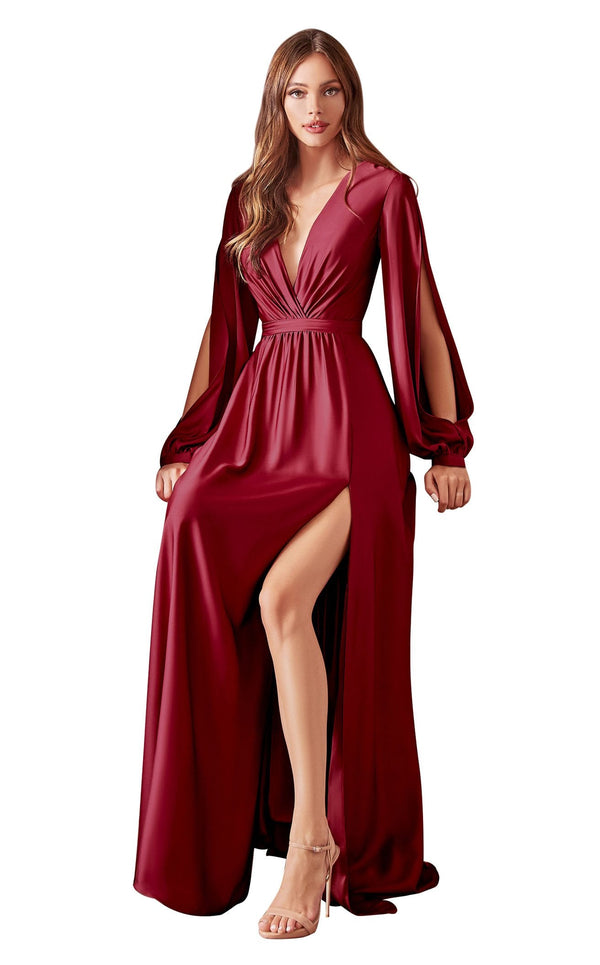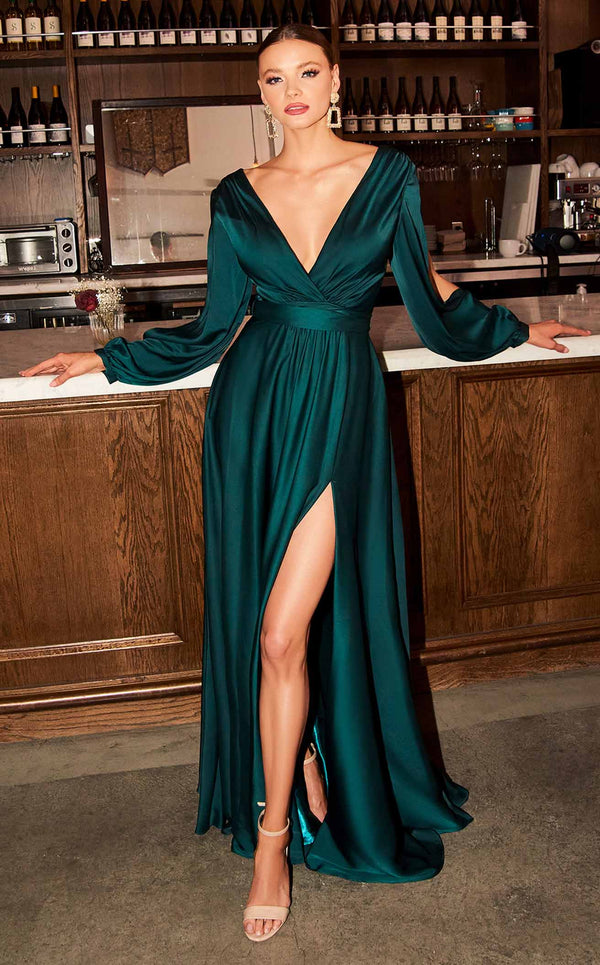
Behind the Seams: What Goes Into the Making of a Designer Gown
Everyone has had that moment with a dress. You see it on a hanger or on someone walking into a room and something about it just stops you. The color, the shape, the way the fabric moves. What most people don't think about in that moment is how much work went into making it look that effortless.
A designer gown is one of the few garments where nearly every decision is made by hand and on purpose. From the first sketch to the final stitch, the process involves more expertise, time, and intention than most people realize. Understanding what goes into it changes how you look at the dress on the hanger.
It Starts With a Concept
Every gown begins as an idea. A designer might be inspired by an era, an architectural detail, a piece of art, or a mood they want the wearer to feel. That initial concept shapes every decision that follows: silhouette, fabric, color, embellishment, movement.
Before any cutting or sewing happens, the idea is translated into sketches. These aren't rough doodles. They're detailed illustrations that map out proportions, construction lines, seam placement, and how the fabric will drape. Some designers produce dozens of sketches before a single design moves forward. Others refine one concept repeatedly until every line is intentional.
The sketch is a blueprint. It tells the atelier what the finished piece should look and feel like, and it sets the direction for every technical decision ahead.
Fabric Selection
Choosing the fabric is one of the most consequential steps in the process. A gown designed in silk charmeuse behaves completely differently than the same design in organza or crepe. The fabric determines how a dress moves, how it catches light, how it feels on the body, and how it holds its shape over the course of an evening.
Designers often source fabrics from specialized mills, sometimes in Italy, France, or Japan, depending on the quality and type of material they need. A single gown might use multiple fabrics: a structured satin for the bodice, a lightweight tulle for layering, a stretch lining for comfort. Each one is chosen not just for how it looks on its own but for how it interacts with the other materials in the design.
The fabric also dictates what's possible in construction. Delicate materials like chiffon and silk require more careful handling, more time, and more skill to sew cleanly. Heavier fabrics like brocade or heavily beaded textiles need internal structure to support their weight. Designers work within and around these constraints, and the best ones make those constraints invisible.
Pattern Making and Draping
Once the fabric is selected, the design moves from paper to three dimensions. This is where pattern making and draping come in.
Pattern making involves creating flat templates that, when cut and assembled, produce the shape of the garment. It's precise, mathematical work. Every dart, seam, and curve is calculated to produce a specific fit and silhouette.
Draping takes a different approach. The designer or a skilled technician works directly with fabric on a dress form, pinning and folding and shaping the material until it falls the way the design intends. Many couture and designer gowns are draped rather than patterned because it allows the fabric itself to guide the shape. Some of the most beautiful details in formalwear, a perfectly twisted bodice, a cascading ruffle, an asymmetrical neckline, emerge through this hands-on process.
Most high-end gowns involve a combination of both techniques. The structural elements are patterned. The artistic elements are draped.
Construction
Construction is where the gown actually comes together, and it's where the difference between a mass-produced dress and a designer piece becomes most apparent.
A designer gown is typically assembled by skilled seamstresses who specialize in formalwear. The bodice alone might involve boning, corsetry, internal support panels, and precision stitching that keeps everything in place without being visible from the outside. Seams are finished cleanly. Hems are weighted or hand-rolled. Closures are reinforced.
The number of hours involved varies widely depending on the complexity of the design. A relatively simple evening gown with clean lines and minimal embellishment might take 50 to 100 hours to produce. A heavily embellished or couture-level piece can take several hundred. Much of that time is spent on details the wearer may never consciously notice but would absolutely feel if they were missing: the way a lining sits smoothly against the skin, the way a zipper disappears into a seam, the way a hemline falls evenly all the way around.
Embellishment
This is often the most time-intensive and labor-intensive part of the process. Hand-applied beading, sequin work, embroidery, lace appliques, and crystal placement can take weeks or even months depending on the density and complexity of the design.
In many ateliers, embellishment work is done by artisans who specialize in nothing else. A single bodice covered in hand-sewn beading might represent over a hundred hours of focused handwork. Each bead is placed individually, each sequin positioned to catch light at a specific angle, each thread secured to prevent unraveling.
This is one of the primary reasons designer gowns carry the price tags they do. The materials matter, the construction matters, but the handwork is often where the greatest investment of time and skill lives.
Fittings and Refinement
A designer gown rarely reaches its final form without multiple rounds of fitting and adjustment. The first version, often called a muslin or toile, is a test garment made in an inexpensive fabric to check the fit and proportions before cutting into the actual material.
From there, the dress goes through fittings where adjustments are made to the seams, darts, hemline, and overall shape. Even after the final fabric version is assembled, additional refinements happen. A neckline might be adjusted by a fraction of an inch. A sleeve might be reshaped. The way a skirt falls might be corrected by adding a small internal weight or restructuring a layer of tulle.
These adjustments are small individually, but collectively they're what separate a dress that looks good from a dress that looks right. It's the accumulation of dozens of tiny, intentional decisions, each one made in service of the original design concept.
Why It Matters
None of this is visible in a product photo. You can't see the hours of draping, the hand-stitched beading, or the three rounds of fittings. But you can feel it. A designer gown moves differently. It fits differently. It holds up differently across a long evening than something produced quickly and at volume.
When you put on a well-made gown and something about it just feels right, that feeling is the result of everything described above. The sketch. The fabric sourcing. The handwork. The fittings. The refinements. It's all in there, behind the seams, built into every detail you see and every detail you don't.
Explore evening gowns, prom dresses, and designer collections at NewYorkDress to see the craftsmanship up close. Or book an appointment at the NYC boutique to try on designer pieces and experience the difference firsthand.