Ball Gown vs. A-Line: The Dress Debate Every Stylist Has Heard a Thousand Times
Picture this: a woman walks into a boutique, heads straight for the ball gowns, and announces with complete certainty that she's looking for something dramatic. Twenty minutes later, she's standing in front of a mirror wearing an A-line dress she almost didn't try on, staring at her reflection with the slightly shocked expression people get when a dress catches them off guard.
The opposite happens, too. Someone arrives determined to keep things simple. No princess dresses. No giant skirts. Nothing over the top. Then she steps into a ball gown and suddenly starts twirling like she's forgotten anyone else is in the room.
This is why the ball gown versus A-line debate has survived for decades. On paper, the silhouettes seem closely related. Yet once they're on an actual person, they create completely different effects. The truth? Both have earned their place in fashion history. The challenge is figuring out which one works best for your proportions, your event, and the version of yourself you want to see staring back from the mirror.
The Ball Gown: Because Sometimes More Really Is More
Nobody dreams about making a grand entrance in a practical dress. That's not how the fantasy of balls and glamour works. One needs a staircase. A dramatic one. Maybe a chandelier.
Fashion historians can trace versions of the silhouette back centuries, particularly to European court dress and formal eveningwear, where volume was often associated with status and occasion. Today, thankfully, nobody needs royal connections to wear one. The feeling remains remarkably similar, though. Put on a well-made ball gown and something shifts. Your posture changes. You become aware of the space around you. Suddenly every doorway seems slightly smaller than it did five minutes ago.
Technically speaking, a ball gown features a fitted bodice paired with a dramatically full skirt that flares from the natural waist. Designers typically create that volume using layers of tulle, organza, crinoline, structured satin, or combinations of all four. The silhouette creates the classic hourglass shape that has appeared in everything from royal portraits to Disney films.
And while fashion has spent the last decade cycling through quiet luxury, minimalism, clean-girl aesthetics, and every other variation of restraint imaginable, the ball gown has remained stubbornly popular.
Maybe that's because there are fewer opportunities for fantasy as we get older.
-
Prom? Ball gowns thrive there.
-
Black-tie galas? Practically their natural habitat.
-
Formal weddings? Still going strong.
-
Charity events, pageants, grand celebrations? The ball gown never got the memo that it was supposed to disappear.

Why the A-Line Became Fashion's Safest Bet
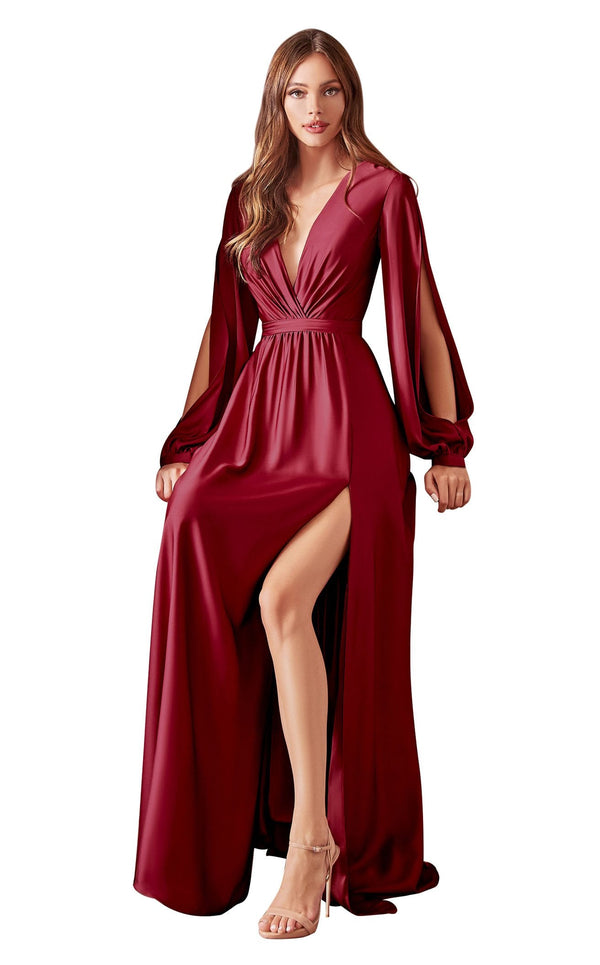
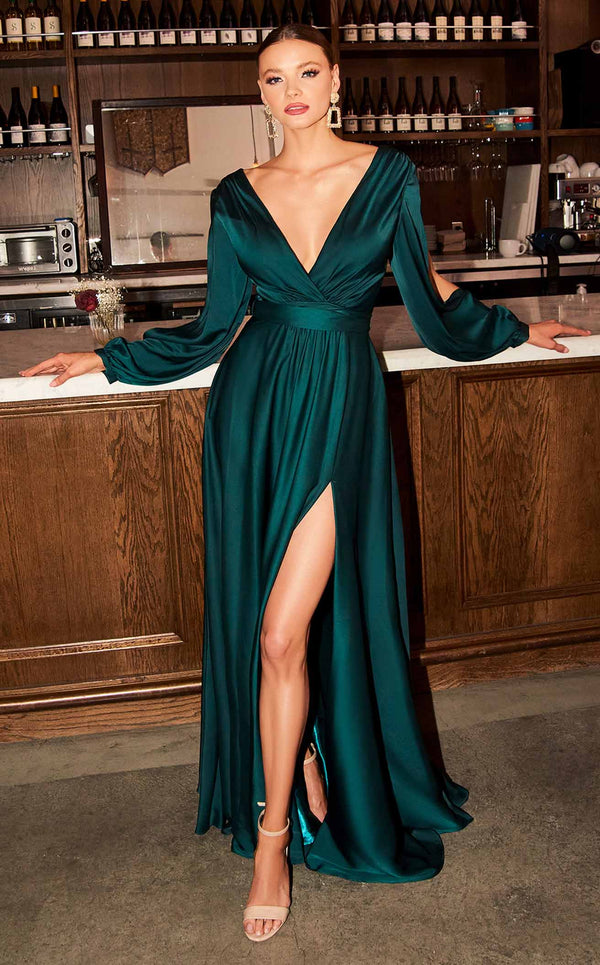
If the ball gown is the friend who always shows up dressed for the red carpet, the A-line is the woman everyone secretly wants fashion advice from. It’s elegant without appearing effortful, and somehow appropriate almost everywhere.
The silhouette itself is wonderfully straightforward. Fitted through the bodice, it gradually widens toward the hem, creating the shape that gives it its name. Unlike a ball gown, which creates volume almost immediately, the A-line creates movement more gradually. The eye travels smoothly from top to bottom, which helps explain why so many stylists consider it one of the most universally flattering silhouettes ever designed.
In fact, the shape became so influential that Christian Dior famously introduced an entire A-Line collection in 1955, helping cement its place in fashion history. According to the archives of the House of Dior, the silhouette became one of the defining shapes of postwar fashion and continues to influence designers today.
That longevity isn't an accident. The A-line adapts beautifully. One season it appears in flowing chiffon. The next it's satin. Garden wedding? Perfect. Formal evening reception? Absolutely.
Let's Talk About Body Shape Without Making It Weird
Fashion has spent decades trying to categorize women into geometric shapes.
Some of it is useful. Some of it feels suspiciously close to turning human beings into math problems.
But understanding proportions can make shopping easier, especially when you're choosing between silhouettes that create very different visual effects.
-
If you have an hourglass shape, meaning your shoulders and hips are relatively balanced with a naturally defined waist, you'll probably find that both silhouettes work beautifully. A-lines often feel especially natural because they follow the body's existing proportions. Ball gowns can be stunning too, although very full skirts occasionally hide some of the balance that makes an hourglass figure so striking.
-
Pear-shaped women often discover they have excellent options in both categories. Ball gowns naturally balance wider hips by introducing volume throughout the skirt, while A-lines create a softer version of the same effect. Every stylist seems to have a story about the woman who thought she needed to hide her hips, only to discover that the right skirt shape made them one of her favorite features.
-
Athletic and rectangle body shapes frequently enjoy the greatest flexibility. Since both silhouettes create the appearance of a more defined waist, the decision often comes down to mood rather than necessity. Want drama? Ball gown. Want elegance with a lighter touch? A-line.
-
Women with broader shoulders often find both silhouettes helpful because they introduce visual balance below the waist. The difference is simply intensity. Ball gowns create a stronger balancing effect. A-lines do it more subtly.
-
Petite women tend to hear conflicting advice all the time, usually from well-meaning people who believe shorter women should avoid volume entirely. That's not really true. Proportion matters far more than rules. A-lines often create a beautiful elongated effect, but a properly fitted ball gown can look extraordinary as well. The key word there is properly. A dress should never look as though it's wearing you.
-
And for plus-size women, both silhouettes continue to be among the strongest options in formalwear. They define the waist, skim comfortably over the lower body, and create beautiful proportions. The choice often comes down to whether you want the ease of an A-line or the structure and drama of a ball gown.
The Things That Matter More Than Your Measurements
Here's something stylists quietly learn after years of fitting appointments: two women with identical measurements can walk away with completely different dresses. And both can be right.
That's because body shape is only part of the equation. Venue matters. Walking into a historic ballroom wearing a sweeping ball gown feels completely natural. Wearing the same dress to a casual waterfront reception might feel a bit like arriving at brunch in a tiara.
Which One Should You Choose?
Probably both. Not literally, of course. Although if your closet and budget allow it, nobody's stopping you.
What I mean is that every woman shopping for a major event should try both silhouettes before making a decision. The dress you swear you'll hate has a funny habit of becoming the one you can't stop thinking about afterward.
Ball gowns and A-lines have survived generation after generation because both offer something timeless. One delivers fantasy, grandeur, and unmistakable presence. The other offers versatility, elegance, and that elusive quality fashion editors love calling effortless.
Sometimes you'll know immediately which one is yours. Sometimes the mirror decides before you do.
If you're still weighing the options, explore the collection of ball gowns, A-line dresses, and formal eveningwear at New York Dress. Better yet, book an in-store styling appointment and try both. Dress silhouettes are a little like perfume. You can read about them all day long, but you don't really know until you experience them for yourself.