How to Choose a Dress That Photographs Well for Social Media
You can love a dress in person and be completely disappointed by how it looks in photos. It happens more often than people expect. The mirror says one thing, the camera says another, and suddenly a dress you felt great in looks flat, washed out, or busy on screen.
The gap between how a dress looks in real life and how it translates on camera comes down to a few specific things: fabric, color, detail, and fit. Once you understand what the camera responds to, you can shop with both the mirror and the photo in mind.
Fabric Makes the Biggest Difference on Camera
Some fabrics photograph beautifully with almost no effort. Others need perfect lighting to look good, and even then they can fall flat.
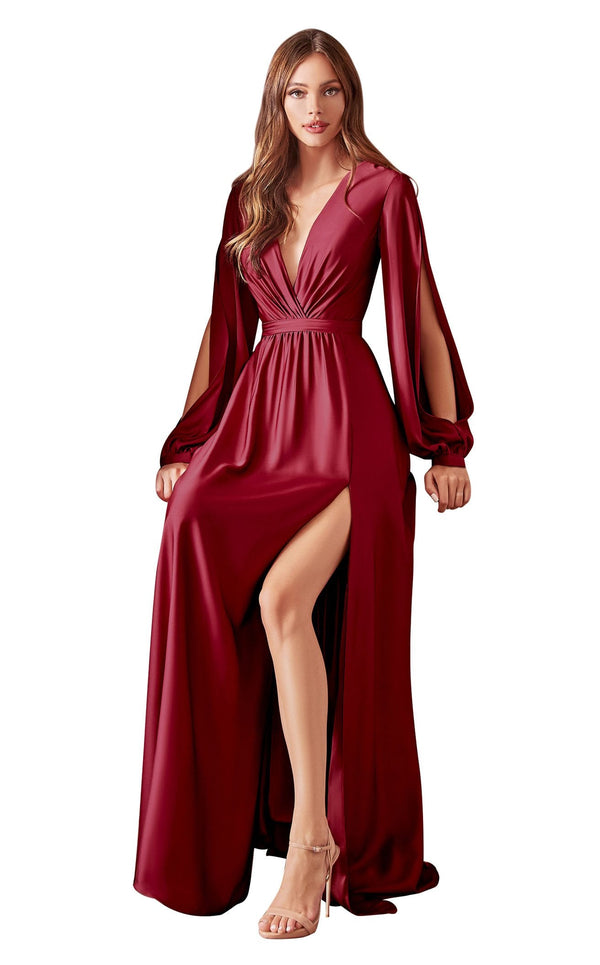
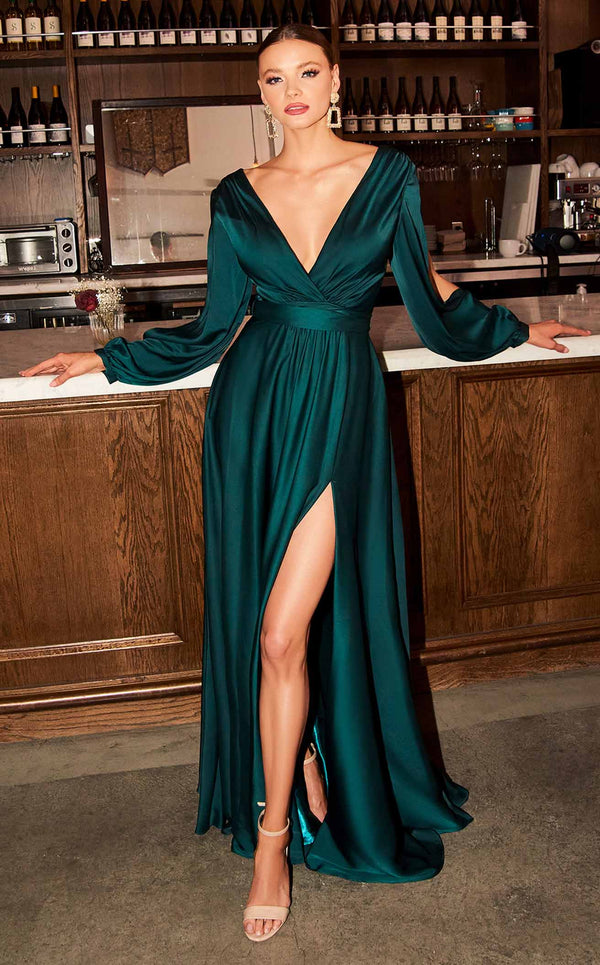
Satin is one of the most photogenic fabrics in formalwear. It catches and reflects light naturally, creating dimension and movement in every shot. Even in low or mixed lighting, satin picks up enough light to keep the dress from looking flat. Crepe photographs well too, though for the opposite reason. Its matte finish absorbs light evenly, which gives the dress a smooth, sculpted look on camera. There are no distracting reflections or hot spots, just clean lines.
Sequins and beading both perform well in photos because they add texture the camera can pick up. Sequins create a bold, all-over sparkle that reads well even in small thumbnails. Beading offers more subtle dimension that shows depth and craftsmanship in close-up shots.
Chiffon and tulle can look stunning on camera when there's movement involved. A breeze, a turn, a walking shot. They add a softness and flow that translates well in candid or styled photos. But in static, front-facing shots, very lightweight fabrics can sometimes disappear or look shapeless if the lighting isn't right.
Fabrics to be cautious with include anything overly matte and dark without texture, which can photograph as a flat block of color, and anything too shiny or reflective, which can create harsh glare in flash photography.

Color Choices That Pop on Screen
Color behaves differently on camera than it does in person, and it behaves differently again depending on the platform. A dress that looks beautiful in natural light might lose its impact on a phone screen where the image is three inches tall.
Rich, saturated colors tend to photograph the strongest. Emerald, sapphire, burgundy, deep coral, and classic red all hold their depth on camera and stand out against most backgrounds. They read well at full size and in thumbnail, which matters for social media where first impressions happen fast.
Pastels can photograph beautifully, but they need good lighting to avoid looking washed out. Blush, lavender, and soft blue all work well in natural light or golden hour but can lose definition under harsh overhead lighting or flash. If you're choosing a pastel, consider where and when the photos will be taken.
Metallics, especially gold and champagne, are strong performers on camera. They catch light in a way that adds warmth and dimension to photos without overwhelming the frame. Silver can work too, though it tends to photograph cooler and needs warm lighting to avoid looking flat.
Black is classic but requires thought. A solid black dress without texture or detail can read as a dark silhouette on camera, especially in dimly lit venues. If you're wearing black, look for a dress with some surface interest, whether that's sequins, lace, beading, or a fabric with sheen, so the camera has something to pick up.
White and ivory photograph cleanly but can blow out in bright light or flash if the exposure isn't controlled. They work best in natural, diffused lighting.
Fit and Silhouette on Camera
The camera compresses depth. What looks three-dimensional in person can flatten on screen, which means fit and silhouette matter even more in photos than they do in the mirror.
Dresses with a defined waist tend to photograph well because they create a clear shape the camera can read. A-line, mermaid, and fit-and-flare silhouettes all give the body visible structure in photos. Loose or shapeless fits can look larger or less intentional on camera than they do in real life.
Details that create visual breaks, like a belt, a waist seam, or a change in fabric at the hip, help the camera distinguish the shape of the body from the shape of the dress. Without those markers, the dress can look like one uninterrupted block of fabric.
High slits, asymmetrical hems, and off-the-shoulder necklines all add visual interest that gives photos a sense of movement and dimension. They create angles the camera can work with, even in a static pose.
Details That Read Well in Photos
Not every detail that looks good in person translates on camera. Small, delicate details like tiny seed beads or fine lace patterns can get lost entirely in photos, especially on social media where images are viewed on small screens.
Details that photograph well tend to be ones with clear visual contrast. A beaded bodice against a smooth satin skirt. An illusion neckline with visible lace appliques. A sequined dress that catches light across the full frame. These create the kind of texture and depth that give photos dimension.
Backs matter too. Some of the most impactful social media photos are taken from behind or at an angle. A dress with a detailed back, an open back, a lace panel, a dramatic bow, gives you more angles to work with and more variety in your content.
Think About the Full Frame
A dress doesn't exist in isolation on camera. It exists alongside your hair, your accessories, your shoes, and your background. When choosing a dress with photos in mind, think about how everything in the frame works together.
Keep accessories intentional. A clutch or earrings that complement the dress add polish to the photo. Too many competing details pull the viewer's eye in too many directions. Let the dress anchor the shot, and let everything else support it.
Consider the setting. A richly colored dress stands out against a neutral background. A simple, elegant dress can hold its own against a more visually busy setting. Matching the dress to the environment, even loosely, creates a more cohesive image.
The best photo-ready dress isn't necessarily the most dramatic one. It's the one where the fabric, color, fit, and details all work together to give the camera something clear and intentional to capture. When everything aligns, the photo does the dress justice, and the dress does you justice.
Browse evening dresses, prom dresses, and formal gowns at NewYorkDress to find styles that look as stunning on camera as they do in person. Or book an appointment at the NYC boutique to see how different fabrics and colors photograph before you commit.