How to Pick the Right Dress for Different Lighting
You can love a dress in the fitting room and feel strangely underwhelmed by it three hours later. Or look at the event photos the next morning and wonder what happened to that gorgeous color you remember wearing. Sometimes, nothing happened to the dress. The lighting changed.
Color, shine, texture, and embellishment all react to light. A pale lavender gown under cool store lighting may look quite different in an amber-lit ballroom. Satin that has a lovely glow indoors, can become extremely shiny in direct afternoon sun. Even black changes depending on whether you're standing outdoors at noon or in a dim restaurant at 9 p.m.
This doesn't mean you need to become a lighting technician before buying a prom dress. It does mean it's worth thinking about where you'll actually wear it, rather than judging everything under the lights in a store or from one beautifully controlled product photograph.
Why Lighting Changes a Dress So Much
Color depends on light. What we see is the light reflected from a surface, and changing the light source can change our perception of that color. The U.S. Department of Energy's explanation of LED color characteristics discusses color temperature and color rendering, two of the reasons objects can look different under different artificial light sources.
You've probably experienced this without giving it much thought. You buy something that looks navy in the store, walk outside, and discover it's much brighter blue than you realized.
Warm artificial lighting tends to emphasize warmer notes, while cooler light can make blue and gray undertones more apparent. Then there is the fabric itself. Satin reflects quite a lot of light. Matte crepe reflects far less directly. Sequins throw little points of light in multiple directions, while velvet can look incredibly deep because of the way its pile interacts with light.
Natural Daylight: Beautiful, but Unforgiving
Garden wedding? Outdoor prom photographs? Daytime ceremony? Natural light gives you the clearest view of a dress, but bright sun can also reveal absolutely everything.
Watch Very Bright Colors
Pastels and lighter colors can look wonderful outdoors because daylight lets subtle differences in color show clearly. Blush, soft blue, sage, lavender, and champagne all get a chance to be more nuanced than they might under poor artificial lighting.
Strong colors work too, but expect them to look strong. That electric blue gown that seemed rich and elegant indoors may become seriously electric at two in the afternoon.
Very pale dresses bring another issue: photography. Bright whites and near-whites can lose visible detail when highlights are overexposed, particularly in strong sun. A champagne, blush, pale gold, or slightly deeper neutral gives the camera more color and texture to work with.
For wedding guests, of course, there's another reason to think carefully before choosing anything very close to white.
Chiffon Loves a Breeze
Light fabrics come alive outdoors. Chiffon and tulle have movement, and their layers can look particularly pretty in natural light.
Crepe is another dependable option because its relatively matte finish doesn't throw a lot of glare back at the camera.
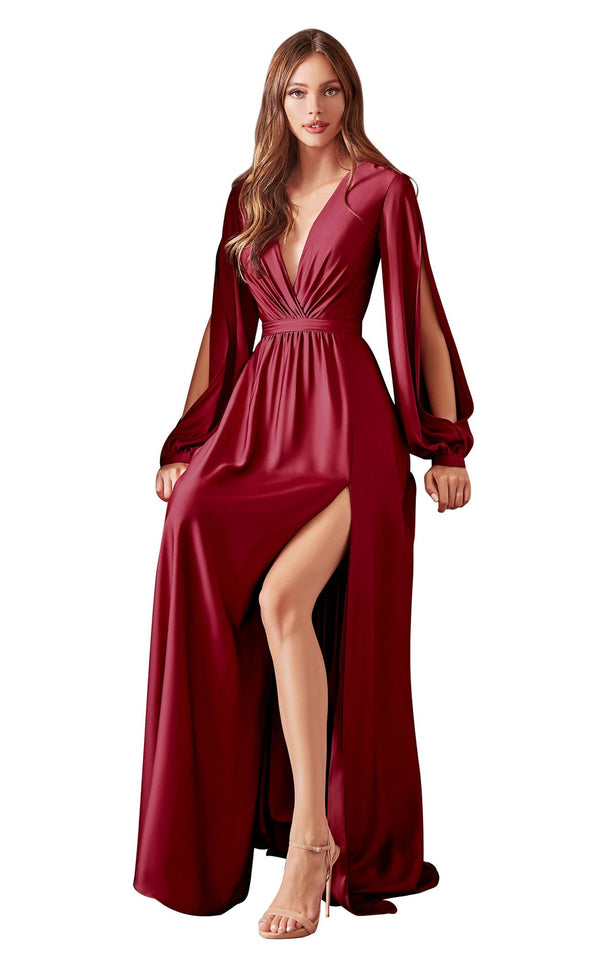
Satin requires a little more thought. It can look spectacular outside, but direct sunlight hitting a smooth, shiny surface can produce very bright highlights. If you're planning a summer event with lots of photographs in full sun, look at the dress outside before committing if you can.

Warm Indoor Lighting: Bring on the Rich Colors
Ballrooms, hotels, banquet halls, and event spaces often use warm lighting because, frankly, people generally look nicer in it.
This is friendly territory for gold, champagne, coral, burgundy, rust, warm red, and other colors that already contain warmer notes. Under amber lighting they can look wonderfully rich.
Cool colors can be less predictable.
An icy blue, pale lavender, or cool silver gown may look crisp in daylight and noticeably grayer under very warm lights. That doesn't mean you shouldn't wear one. Just don't assume the color you see on your laptop screen at noon is exactly what you'll see at the reception.
Pale blush deserves a little caution too. Under heavy amber lighting, some very delicate pinks can lose their definition and start blending into the surrounding warmth.
Satin Gets Its Moment
Controlled indoor lighting is where satin can really earn its keep. Instead of the hard reflection you may get in direct sun, it tends to develop a softer glow as you move.
Velvet is equally good in warm light, though for completely different reasons. Its pile creates areas of light and shadow, giving dark colors much more dimension.
Sequins and beads are obviously not going to complain about a ballroom either. Give them chandeliers and uplighting and they'll take it from there.
Candlelight and Dim Venues: Don't Let the Dress Disappear
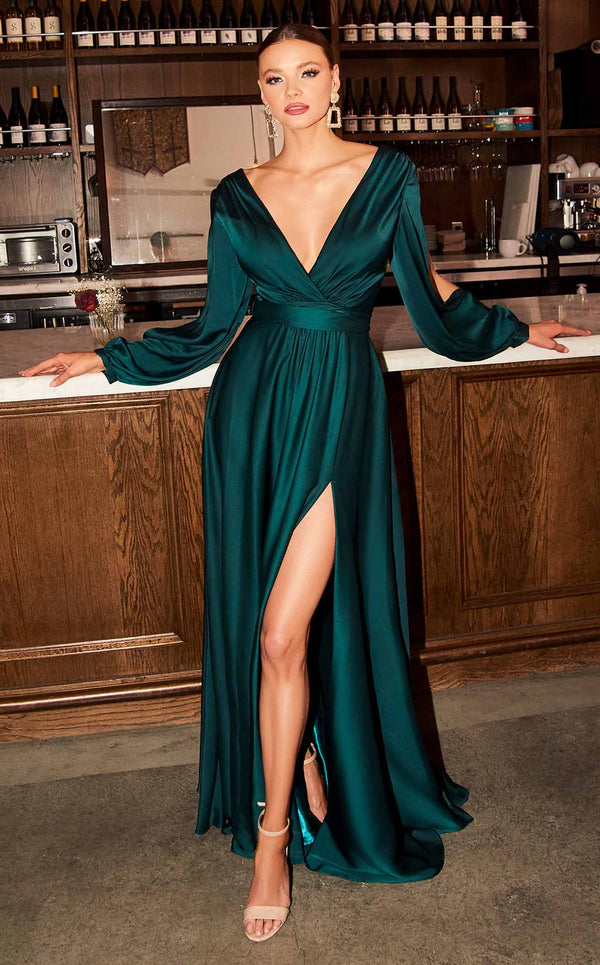
Low light changes the game. This is where jewel tones become particularly useful. Emerald, ruby, sapphire, deep purple, and saturated teal have enough color to retain some presence when the room gets darker. Black and navy are trickier than you might expect. They're classic evening colors, but in a very dim venue a plain black matte gown can merge into the background. Texture fixes a lot of that.
Black velvet, black beading, lace, sequins, satin panels, or even an interesting drape gives the available light something to find. The dress is still dark, but it doesn't become one flat shape.
Metallic colors are another obvious choice. Gold, bronze, and champagne can catch candlelight beautifully without needing to be covered in sequins.
Satin also works well here. The folds pick up small amounts of light as you move, so the dress subtly changes throughout the evening.
Flash Photography Is a Different Animal
And then somebody turns on the flash. A dress that looks gorgeous in atmospheric restaurant lighting may behave completely differently when hit by a sudden burst of bright frontal light.
Rich, saturated colors are generally reliable because there's enough color information to remain visible even under strong illumination. Emerald, burgundy, cobalt, ruby, and deep rose are good examples.
Very pale shades can be less forgiving, particularly when combined with reflective fabric. White, very pale silver, and icy metallics may produce bright highlights where some of the fabric detail gets lost.
Matte Fabrics Are Your Friends
Crepe is wonderfully uncomplicated in photographs. Its matte surface doesn't create the sharp reflections you can get from shinier materials.
Velvet also absorbs plenty of light while retaining texture, which helps darker colors stay interesting.
Sequins are more unpredictable. They are tiny reflective surfaces, after all. A fully sequined gown can look incredible under flash, but individual areas may also flare very brightly depending on their angle to the camera.
Beading often gives you a slightly softer result because the surface tends to be more varied.
None of this means avoiding sparkle. If you bought the sequined dress because you want sparkle, it would be rather strange to spend the evening wishing it reflected less light.
Most Events Have Terrible Commitment Issues About Lighting
Here's the more realistic problem: you probably aren't going to spend the entire event under one type of light. You might take photographs outside at 5 p.m., have dinner in a warm ballroom at 7, move into a much darker reception space at 9, visit a brightly lit photo booth at 10, and encounter someone's phone flash approximately 47 times in between.
So which lighting are you dressing for? Usually, the dominant one.
If it's an outdoor daytime wedding, prioritize daylight. If you're attending an evening gala where you'll spend five hours inside and ten minutes arriving outdoors, concentrate on the venue.
If you genuinely need a dress that travels well between different conditions, mid-tone and deeper saturated colors are useful territory. Emerald, sapphire, burgundy, deep rose, plum, and teal tend to have enough depth to remain interesting as the light changes.
Do the Phone Test Before You Buy
This is wonderfully unscientific and genuinely useful. Take a picture. If you're shopping in person, photograph the dress without flash and, if the store permits it, with flash. Walk toward a window and look at it in daylight. Turn around. Move. Satin in particular can look quite different when you're moving compared with standing squarely under a ceiling light.
If you're shopping online, look for photographs and video rather than relying on one hero image. Check close-ups of the fabric. Look at customer photos if they're available.
And remember that your phone camera isn't a perfectly neutral observer either. Modern phones automatically adjust exposure, white balance, color, and other elements of an image. You're looking for clues, not conducting forensic analysis on a bridesmaid dress.
Pick the Dress for the Room You'll Actually Be In
Lighting probably shouldn't be the first thing you consider when buying a formal dress. Fit, comfort, dress code, and whether you actually love the thing still outrank it.
But it belongs somewhere on the list.
If you know the reception will be dark and candlelit, texture and rich color can help your gown hold its own. If you're spending an afternoon outdoors, look at how the fabric behaves in daylight. If photographs matter enormously to you, test the dress with a camera before the event rather than discovering something unexpected afterward.
The dress you loved under fitting-room lights should still feel like your dress when you reach the party.
Explore NewYorkDress evening dresses, prom dresses, and formal gowns in satin, crepe, velvet, chiffon, sequins, and more. And when a computer screen isn't quite enough, seeing different fabrics and colors in person can make the decision much easier.