How Fashion Week Trends Influence Prom and Gala Dresses
Fashion Week isn’t just for couture buyers and magazine editors. It’s also where the dress details we’ll be seeing at proms and galas get their first public “trial run.”
When designers show collections in Paris, Milan, London, and New York, they’re not only presenting clothes. They’re showing ideas. Shapes, textures, styling tricks, and little design choices that feel fresh in the moment. A few months later, those same ideas tend to show up again, but in a version we can wear to a formal event without feeling like we’re performing.
If we’ve ever looked at a prom dress and thought, “Why is everyone suddenly doing corset seams?” or “Why are illusion necklines everywhere?” The answer is usually the same. The runway waved first, and formalwear followed.
Designers experiment publicly during Fashion Week. They push structure. They test texture. They exaggerate proportions. Then those ideas get refined, softened, and translated into gowns that feel wearable and event-appropriate.
Understanding that process changes how we shop.
The Runway’s Role in Fashion Trends
Fashion Week is where designers play with the boundaries. It’s not meant to look practical, and that’s why it’s useful. You get to see what designers are curious about before it gets polished for everyday life.
Runways also work like a giant group conversation. When multiple designers start exploring the same direction, editors notice. Buyers notice. Stylists notice. Influencers notice. That attention matters because it shapes what gets talked about and what gets stocked later. It’s not one person deciding a trend. It’s a whole ecosystem agreeing, “That thing? That’s the moment.”
Trends that first appear on runways often filter into eveningwear weeks to months later, but they change on the way down. The most extreme versions get edited. The wearable parts stay. And prom and gala designers are basically experts at that translation, because formalwear has to be dramatic, but still functional.
Runway Details That Shape Prom and Gala Dresses
Before we talk about “how to wear it,” it helps to know what actually travels from runway to formalwear. Certain categories show up again and again, and they’re the ones we keep seeing in prom boutiques and gala dress edits.
Silhouettes
Silhouette is usually the first giveaway that a runway idea has landed in formalwear. Even when the fabric or color changes, the shape tells the story.
On the runway, structural ideas often look intense. Corsetry can be sharp and obvious. Sleeves can be huge. Proportions can feel exaggerated on purpose. Then prom and gala design takes that same energy and smooths it out. Corsetry becomes a supportive, flattering structure instead of “look at my corset.” Dramatic sleeves shrink into wearable volume that still looks special in photos. Asymmetry becomes a clean one-shoulder neckline or an angled bodice that feels modern instead of chaotic.
We’re basically seeing runway architecture adapted for real movement. Sitting, dancing, hugging people, walking on stairs. All the glamorous stuff that requires you to actually function.
Fabrics & Textures
Fabric and texture are where Fashion Week influence sneaks up on us. We might not say “this is runway-inspired,” but we feel it. The dress looks current. The light hits it differently. The texture does more than just sit there.
Runways highlight seasonal fabrics like velvet, satin, organza, and metallic finishes. Then those textures migrate into prom and gala gowns in a way that feels “runway-inspired but wearable.” A runway might show organza in dramatic layers and sharp volume. Prom design takes the same organza idea and uses it for a lighter overskirt, a structured sleeve, or a floaty tier that moves well in motion photos.
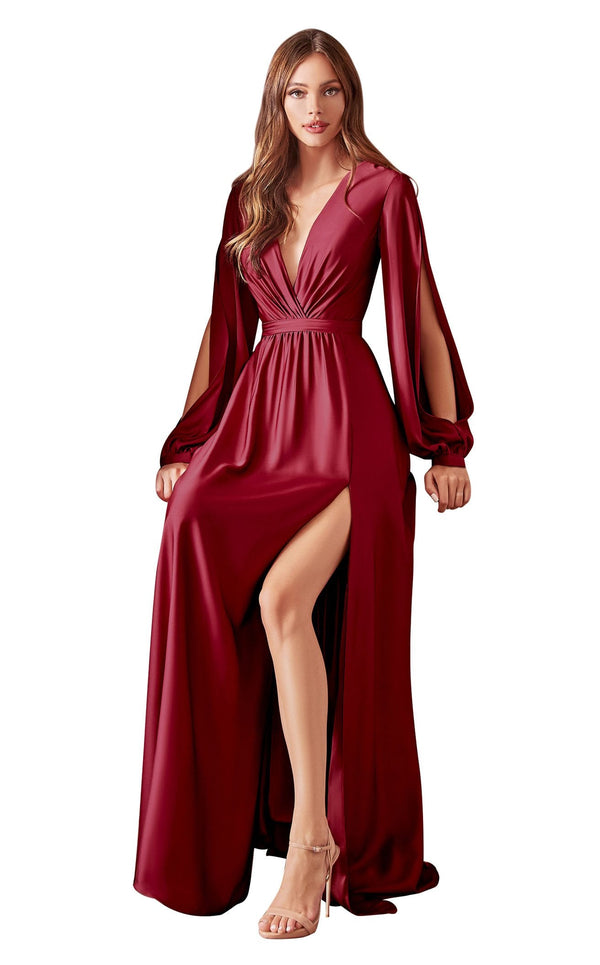
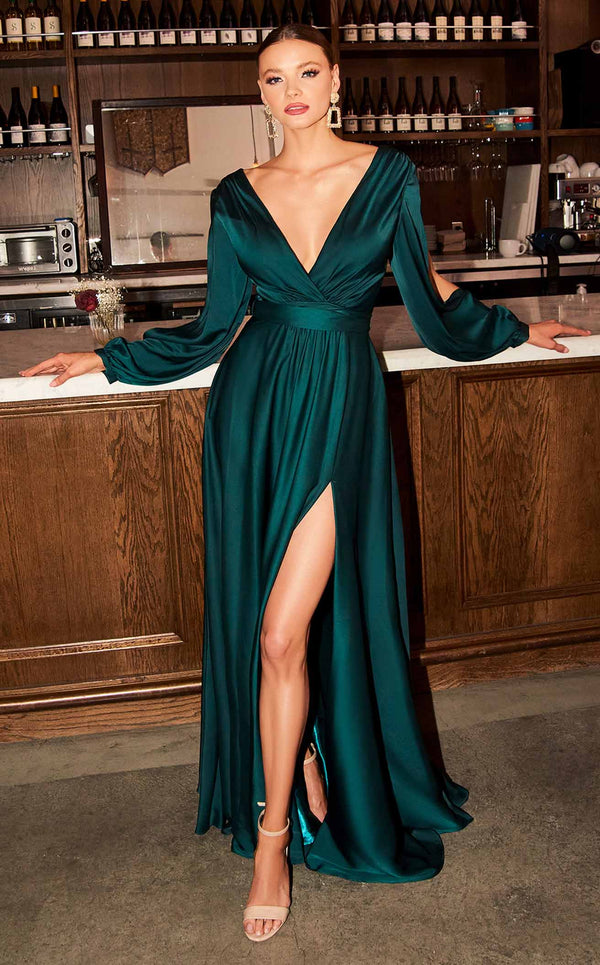
Satin is a great example too. When runways lean into satin, it often returns as that glossy, liquid look in formalwear. Not stiff. Not a shiny costume. More like “this gown was made for evening lighting.”
Sheer & Illusion Elements
Sheer and illusion details are runway favorites because they create drama without needing extra bulk. They also photograph beautifully, which is a big reason they’ve become so common in prom and gala gowns.
On runways, you’ll see mesh inserts, illusion necklines, layered tulle, and transparent panels used in bold ways. In formalwear, the same concept becomes more strategic. Illusion mesh can stabilize a plunge neckline. Sheer sleeves add softness without exposing too much. Layered tulle creates depth so the dress looks dimensional rather than flat under flash photography.
This is one of those places where we get the best of both worlds. The runway gives us the idea. Formalwear makes it comfortable and event-appropriate.
How Trends Translate Into Wearable Dress Design
Runway cues are adapted to suit real-world events. An exaggerated couture concept rarely appears unchanged in prom collections. Instead, designers isolate one defining feature and build around it.
A dramatic train becomes a manageable sweep. A complex layered bodice simplifies into a single structured detail. Bold runway cutouts are repositioned to feel intentional rather than distracting.
Designers take complex runway ideas and translate them into silhouettes and fabrics suitable for varied body types and occasions. Comfort becomes part of the equation. So does longevity.
The goal isn’t to recreate the runway. It’s to capture its energy in a form that works on a dance floor.

Influences Across Fashion Capitals
Paris
Paris often sets the tone for structure and craftsmanship. Sculpted bodices, intricate detailing, and architectural shapes frequently debut here. When these ideas move into prom and gala collections, they appear as refined corsetry, precise tailoring, and elevated construction techniques.
Milan
Milan emphasizes glamour and fabric. Luxurious satin, metallic finishes, and rich textures dominate its runways. Gala gowns influenced by Milan tend to feel sensual, fluid, and polished without excessive embellishment.
New York
New York Fashion Week leans into clean lines and strong silhouettes. Modern minimalism often takes center stage. Prom and gala dresses reflecting this influence favor sleek cuts, contemporary necklines, and thoughtful restraint.
London
London thrives on creativity and unexpected detail. Asymmetry, bold layering, and unconventional design choices are common. In formalwear, those influences soften into subtle cutouts, unexpected neckline placements, or distinctive design accents that add individuality.
Each city contributes something unique to the formalwear conversation.
Microtrends vs. Enduring Design Elements
Some runway ideas are fleeting microtrends that show up briefly in prom and gala dresses. A specific sleeve shape. A highly stylized overskirt. A sharply defined color story that dominates for a single season.
Other ideas become part of the core eveningwear vocabulary. Corsetry continues to resurface. Luxurious fabrics remain relevant. Modern cuts evolve rather than disappear.
Recognizing the difference helps us shop with intention. A dress that combines a current detail with a timeless silhouette often feels both modern and lasting.
Trends are most powerful when they complement strong design foundations.
How to Wear Fashion Week Trends in a Prom or Gala Context
Choosing one runway inspiration at a time creates balance. A sculpted sleeve or a corseted bodice can serve as the focal point while the rest of the gown remains streamlined.
Pair bold trend features with timeless elements so the overall look stays elegant. A metallic finish works beautifully with a classic silhouette. An asymmetrical neckline feels grounded when paired with a simple skirt.
Let trend details enhance personal style rather than dominate it. The goal is to feel confident and current, not overwhelmed by statement pieces.
Runway influence should support individuality, not replace it.
Bringing the Runway to Real Life
Runway influence isn’t about copying a look straight from Paris or Milan. It’s about recognizing the direction fashion is moving in and choosing a version of that movement that works for you.
The sculpted bodice you’re drawn to, the fluid satin that catches the light, the illusion neckline that feels just bold enough. Those details didn’t appear by accident. They’re part of a bigger conversation that started on the runway and evolved into something wearable.
When shopping for prom or a gala, look for dresses that balance trend awareness with timeless design. Let one modern detail lead. Keep the rest intentional. That’s how a gown feels current without feeling overdone.
Explore prom and gala styles that reflect today’s runway influences but suit you in your choice of fabric, and finish. The inspiration may begin on an international stage, but the moment belongs to you.