Iconic Dresses in Film That Still Inspire Fashion Today
Ask a group of women to name a famous movie dress and something interesting happens. Nobody starts talking about the plot. Nobody brings up box office numbers or reviews. Instead, people immediately begin describing clothes.
The black dress Audrey Hepburn wore while carrying coffee and a pastry outside Tiffany's. The red gown Julia Roberts wore to the opera. That green dress from Atonement. You know the one. Most people don't even need additional details. The image appears instantly. That's because the best movie dresses have a strange habit of escaping the films they were created for. They stop being costumes and start becoming cultural landmarks. Years pass. Sometimes decades. Fashion changes its mind a hundred times. Yet these dresses remain, quietly influencing everything from prom gowns and eveningwear collections to wedding guest outfits and red-carpet trends.
In a world where fashion trends now seem to have the lifespan of a carton of milk, that's no small achievement. According to trend analysts at McKinsey & Company’s State of Fashion reports, trend cycles continue to move faster than ever, largely driven by social media and digital shopping habits. Yet certain silhouettes, colors, and styling choices keep returning. Look closely enough and you'll often find a movie costume somewhere in their family tree.
Audrey Hepburn and the Dress That Made Simplicity Look Expensive
There is something almost unfair about how modern Audrey Hepburn still looks. Go back and watch Breakfast at Tiffany's today and you won't find a dress screaming that it belongs to 1961. Somehow, while countless trends have come and gone, Holly Golightly's famous black Givenchy gown still feels relevant. In fact, it might feel even more relevant now than it did when audiences first saw it.
That's probably because fashion has spent the last several years rediscovering ideas Hepburn was already wearing. Quiet luxury. Understated elegance. Investment dressing. The terminology changes every few seasons, but the basic appeal remains exactly the same. There is something deeply compelling about a woman who doesn't appear to be trying too hard.
On paper, the dress sounds almost disappointingly simple. A black column silhouette. Pearls. Long gloves. Hair swept up. That's it. No dramatic embellishment. No intricate embroidery. No sparkling beadwork competing for attention. Yet that simplicity is precisely what gives the look its power. Nothing distracts from the overall effect.
Fashion often swings between excess and restraint. Some years belong to sequins, feathers, dramatic cutouts, and enough embellishment to light a small city. Other years favor clean lines and impeccable tailoring. Hepburn's dress sits comfortably outside those cycles. It doesn't feel minimalist because minimalism happened to be trending. It feels minimalist because every unnecessary detail was removed.
You can see echoes of it every time awards season rolls around. Every time a celebrity skips the trend of the moment and shows up in a perfectly cut black gown. Every time someone chooses elegance over spectacle.That's why the dress remains so influential. It doesn't sell a fantasy of becoming someone else. It suggests that confidence, when paired with good tailoring, might already be enough.
The Red Dress From Pretty Woman Still Understands the Assignment
There are women who have never watched Pretty Woman and still know exactly which dress you're talking about. Say "the red one" and everybody sees the same image. Julia Roberts. Opera gloves. A dazzling necklace. A dress so unapologetically glamorous it practically enters the room five minutes before she does.
The genius of that gown lies partly in timing. The scene arrives at a moment when Vivian's transformation feels complete, and the dress becomes inseparable from that story. We aren't simply looking at a beautiful piece of clothing. We're watching somebody step into a version of herself she wasn't previously allowed to imagine.
Fashion loves transformation stories. Always has. That's one reason makeover scenes remain so popular in movies, television, and even social media. They're rarely about clothes alone. They're about possibility. The dress becomes a visual shorthand for confidence, belonging, and self-assurance.
Then there's the color. Fashion publications spend every year predicting which shades will dominate the coming season. Some predictions stick. Many don't. Yet red continues showing up, season after season, refusing to surrender its place in formalwear. According to annual color trend reporting from organizations such as Pantone Color Institute, consumer preferences shift constantly, but red consistently remains associated with confidence, visibility, and emotional impact.
Which is another way of saying that red knows how to get noticed.

The Green Dress That Refuses to Leave Fashion's Group Chat
If you've ever saved an emerald- green dress to Pinterest without being entirely sure why, there is a decent chance Atonement is partly responsible. The gown worn by Keira Knightley in the 2007 film has achieved something few movie costumes ever manage. It became a fashion obsession, for nearly two decades.
What's remarkable is how little screen time it actually gets. The dress appears briefly compared to many famous movie costumes, yet discussions about iconic film fashion almost always include it. Fashion editors write about it. Costume designers reference it. Brides save it to inspiration boards. Eveningwear designers continue creating gowns that feel suspiciously familiar.
Part of the appeal comes from what fashion was doing at the time. The early 2000s were not exactly known for restraint. Red carpets sparkled. Dresses shimmered. Embellishment was everywhere. Then along came this fluid emerald gown that seemed to understand something many other dresses had forgotten: beautiful fabric can do a lot of work.
The silk moves beautifully. The deep back creates drama without becoming the entire focus. The silhouette follows the body without looking restrictive. Nothing feels forced. That's harder to achieve than it sounds.
Fashion often confuses effort with impact. More sparkle. More detail. More volume. More everything. The Atonement dress took the opposite route. It trusted color, proportion, and movement. And audiences responded.
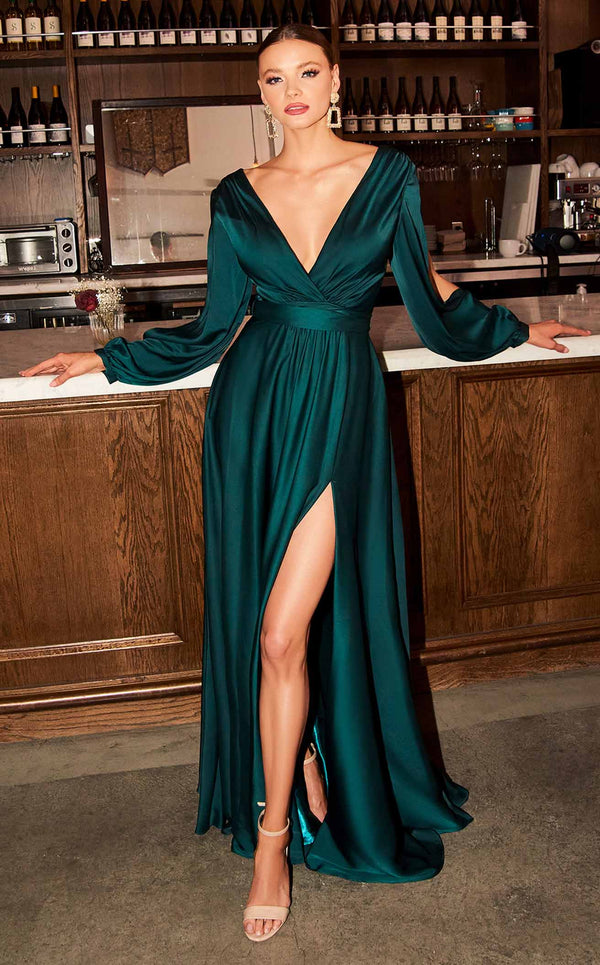
Nearly twenty years later, emerald remains one of the most sought-after formalwear shades. Satin dresses continue dominating eveningwear collections. Open-back silhouettes keep returning because they occupy that sweet spot between sophistication and allure.
Marilyn Monroe Created Two Completely Different Blueprints for Glamour
Most style icons get remembered for one defining look. Marilyn Monroe managed to create several. The hot pink satin gown from Gentlemen Prefer Blondes remains one of the most instantly recognizable costumes in Hollywood history. Bright pink gloves. Bright pink satin. Diamonds everywhere. The entire look radiates confidence and joy.
What's funny is how contemporary it feels. Long before Barbiecore dominated social media feeds and pink became fashion's favorite color again, Monroe was already proving that the shade could be glamorous, powerful, and impossible to ignore. The dress doesn't flirt with attention. It assumes attention is already coming.
Then there is the white halter dress from The Seven Year Itch, which achieves something entirely different. If the pink gown feels theatrical, the white dress feels spontaneous. Light. Playful. Almost accidental.
Of course, it wasn't accidental at all. The halter neckline frames the shoulders beautifully. The pleated skirt was designed to move. Everything about the dress works with motion rather than against it. That's one reason the famous subway grate scene became such a lasting image. The dress wasn't merely being worn. It was participating in the moment.
Why Belle's Ball Gown and These Movie Dresses Continue to Matter
Every prom season provides evidence that the princess fantasy is alive and well.
You can see it in the racks of ball gowns. The fitted bodices. The dramatic skirts. The dresses designed for entrances rather than practicality. Somewhere in that tradition sits Belle's golden gown from Beauty and the Beast.
For many women, it was their first encounter with the idea that a dress could feel transformative. The gown wasn't realistic. That wasn't the point. It represented possibility. Fantasy. The joy of stepping into a version of yourself that exists slightly outside everyday life.
The dresses that survive aren't necessarily the most expensive or technically impressive. They're the ones that make people feel something. They create an image that stays lodged in the imagination long after the credits roll.
Which is why their influence continues showing up in eveningwear today, whether shoppers realize it or not.
The next time you find yourself drawn to a sleek black gown, an emerald satin dress, a dramatic red silhouette, or a sweeping ball gown worthy of its own movie soundtrack, you may be responding to a cinematic fashion moment that happened years before you ever stepped into a fitting room.