Prom Dress Etiquette: Trends, Rules, and What Not to Wear
Prom isn’t just another formal event. It’s one of the first times you’re asked to dress for a moment that feels grown-up, public, and permanent all at once. There will be photos. A lot of them. Some you’ll love. Some you’ll pretend don’t exist. That alone can make choosing a dress feel heavier than it should.
Between social media trends, school dress codes, and everyone else’s opinions, it’s easy to forget one simple thing. Your prom dress needs to work for you, not against you. It should fit the occasion, photograph well, and let you enjoy the night without constantly thinking about what you’re wearing.
We see prom season up close every year. The dresses that actually hold up, in photos and in memory, aren’t always the boldest ones online. They’re the ones chosen with intention.
Prom Trends Right Now, and How to Use Them Without Losing Yourself
Prom trends change, but not as much as they seem. What really shifts is how details are combined.
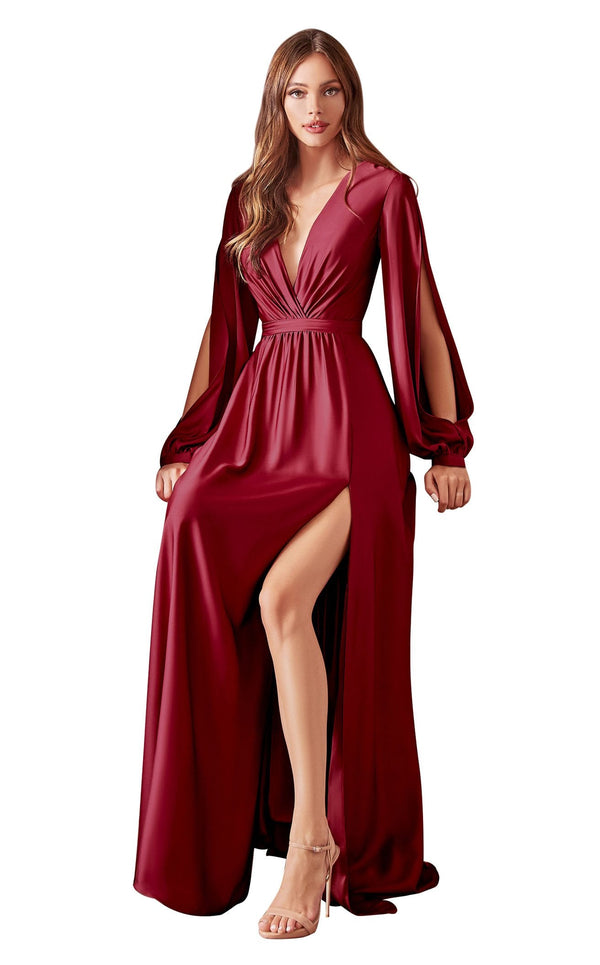
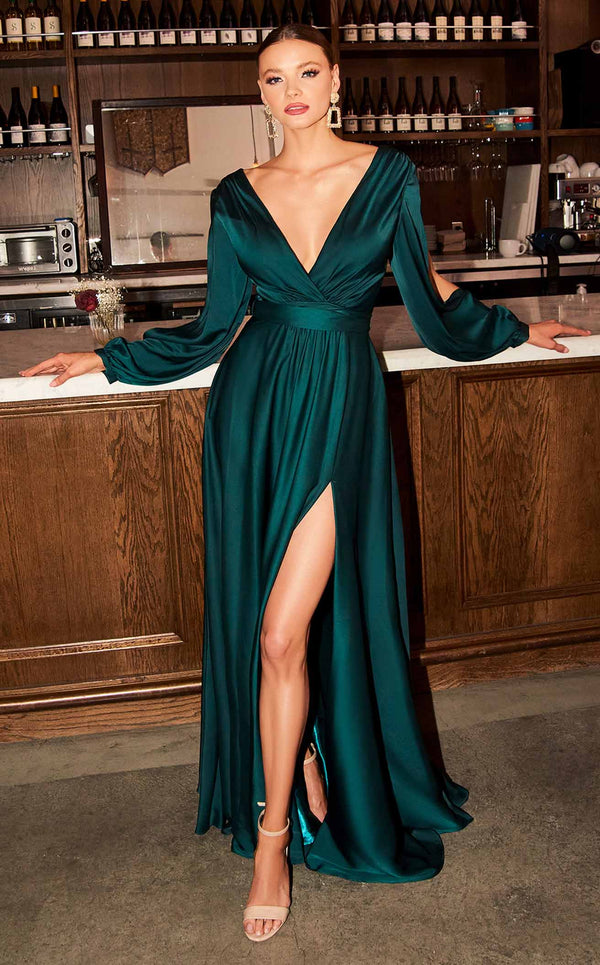
Right now, fitted silhouettes are everywhere. Corset-style bodices, visible boning, and defined waistlines are popular because they offer structure and support. Slits are still common, but the most successful ones are clean and controlled. They help you move. They don’t take over the dress.
At the same time, softer volume is coming back. Flowing skirts, layered chiffon, and tulle overlays are showing up again, especially if you want something romantic without feeling stiff or heavy.
Color trends lean toward shades that photograph well indoors. Jewel tones are popular for a reason. Emerald, sapphire, wine, and deep navy tend to flatter a wide range of skin tones and look rich under flash. Soft metallics like champagne and pale gold also work beautifully, especially in satin or shimmer fabrics. Pastels are still very much part of prom season, but the ones that work best usually have structure. A pale blue satin gown with a fitted bodice feels very different from the same color in loose chiffon.
Trend roundups like this one from Sarah’s Bridal Gallery show how these details evolve each year.
Here’s the part people forget: trends are meant to inspire you. You don’t need to wear all of them at once. One strong element is usually enough.

The Prom Rules You Actually Need to Think About
Prom might feel relaxed compared to older generations, but it still has a structure.
School Dress Codes Are Still Real
Every year, someone assumes the rules won’t matter. Every year, someone finds out they do. Deep slits, sheer panels, extreme cutouts. These details are often checked more closely than expected.
That doesn’t mean you can’t wear something modern or expressive. It just means balance matters. A dress can be fitted, stylish, and current without pushing every boundary at the same time.
Fit and Support Can Change the Entire Experience
A prom dress isn’t worn for ten minutes. You’ll be standing, walking, sitting, dancing, and posing for photos. Dresses without proper structure tend to shift, pull, or lose their shape as the night goes on.
Boning, lining, and built-in support make a real difference, especially in strapless or fitted styles. These details aren’t always obvious when you first try a dress on, but you’ll notice them later if they’re missing.
What Usually Doesn’t Work, Even If It Looks Good Online
Some choices repeat every year, and so do the regrets. No matter how you look at things, some choices can really be huge “ faux pas” moments.
Dresses That Feel Like They Belong Somewhere Else
Prom has its own tone. Dresses that look more like clubwear often feel out of place once you’re in a room full of formal looks. Very short hemlines or heavy cutouts tend to stand out in ways people don’t expect.
Extremely Revealing or Unstable Dresses
If you’re worried about the dress staying in place, that worry doesn’t disappear once the night starts. It follows you. Very revealing styles or dresses with little support often become the focus instead of you. They also tend to photograph harshly, especially under flash.
Literal Theme Dressing
Prom themes are meant to set the mood. Dressing like a literal interpretation of the theme rarely ages well. Subtle references, color choices, or textures usually work better.
Fabrics That Don’t Behave
Some fabrics wrinkle the moment you sit. Others cling in places you didn’t expect. Some reflect light in unflattering ways. These issues don’t always show up in fitting rooms, but they show up clearly in photos. Articles like this one from GLS Collective mention fabric behavior often because it’s such a common issue.
How to Choose a Prom Dress That Feels Like Your Style
This is where everything becomes personal.
Start by thinking about how you want to feel, not how you want to look on someone else’s feed. Comfortable. Confident. Secure. Those feelings show immediately, even before accessories or makeup come into play.
Choose a silhouette you trust. When you feel stable in a dress, you stop adjusting it. You move differently. You stand differently. That ease reads as confidence.
Fit matters more than people expect. Small alterations can completely change how a dress feels and looks. Hem adjustments, strap changes, or a slightly tailored bodice often make the difference between a dress that feels borrowed and one that feels chosen.
And don’t skip the movement test. Sit down. Walk around. Turn. If you can’t imagine dancing in it, listen to that instinct.
Accessories, Hair, and Makeup Without Overdoing It
Prom styling works best when everything feels connected.
If your dress is heavily embellished, keep accessories simple. If the dress is clean and minimal, accessories can add personality. Shoes should be wearable for several hours. Stability usually matters more than height.
Hair and makeup should support the dress, not compete with it. Clean, polished styles tend to photograph better and feel less dated later. Trendy details can be fun, but balance keeps the look timeless.
Trend guides like this one from GG Formals often highlight this for a reason.
A Prom Look That Still Feels Right Later
The prom dresses people remember fondly usually share a few things.
-
They fit the event.
-
They fit the person wearing them.
-
They allowed the night to happen without constant second-guessing.
Start looking early if you can. Try different silhouettes, even ones you didn’t expect to like. Pay attention to how a dress behaves once it’s on your body.
We encourage you to choose a dress that fits your school’s guidelines, your comfort level, and your personal style. When those line up, prom stops feeling stressful and starts feeling like what it should be. A night you actually get to enjoy.