The Evolution of Eveningwear: From Old Hollywood Glam to Modern Red Carpet Looks
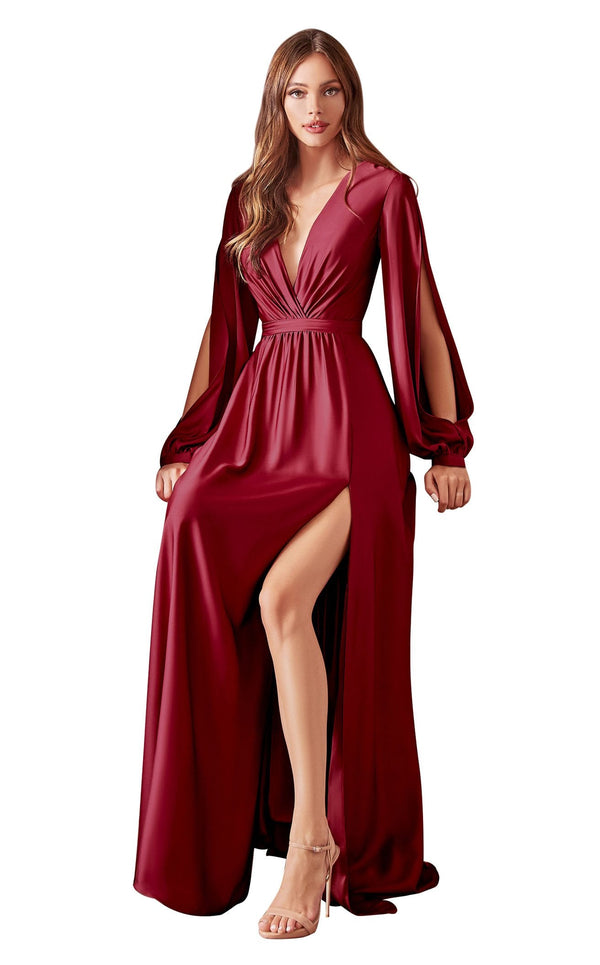
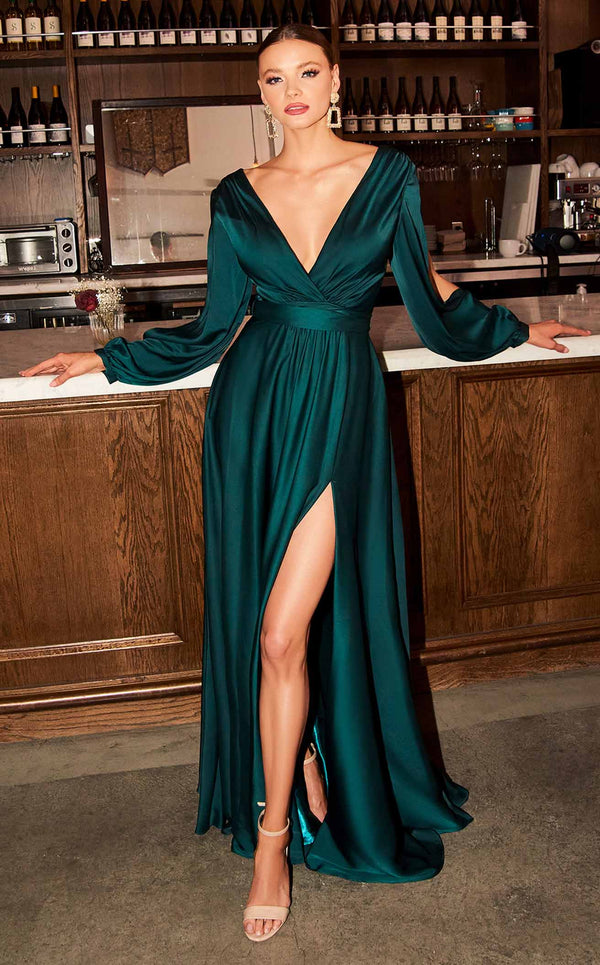
Eveningwear is the most photographed corner of fashion. It is where silhouette, fabric, and fantasy work together, then live forever in pictures. If you’ve ever saved a screenshot of a satin column or paused an awards show to zoom in on beadwork, you already know the power of a great gown. Here’s a guided tour of how we got from Old Hollywood’s studio glamour to today’s social-media-ready red carpet, plus ideas you can use when you choose your next dress.
1930s: The Birth of The “Goddess” Gown
Old Hollywood set the template. Bias-cut silk moved with the body and turned light into liquid. Designers like Madeleine Vionnet perfected the cut in Paris, and the look filtered into Hollywood and evening fashion at large, creating those statuesque “goddess” gowns you still recognize today.
Inside the studios, costume designers made stars into style references for the entire world. MGM’s Gilbert Adrian dressed screen legends in slinky gowns and sharp shoulders, helping Hollywood become a fashion engine, not just an entertainment one.
What to take forward: If you love a dress that drapes and photographs like water, look for bias-cut satins and charmeuse in clean, column silhouettes.
1940s: Sharper Lines, Studio Polish
Wartime austerity brought structure. Shoulders got stronger, embellishment toned down, and glamour came from cut and polish more than sparkle. Adrian opened a Beverly Hills atelier so everyday women could buy the refined lines they’d admired on screen.
What to take forward: Structured shoulders and defined waists are timeless. They frame the face and balance fuller skirts or sleeves.
1950s: The New Look and The Hourglass
In 1947, Christian Dior’s “New Look” re-centered evening fashion around a nipped waist and generous skirts. After years of utility, it felt decadent again, and the hourglass returned to ballrooms and premieres worldwide. The silhouette’s elegant shoulders, cinched waist, and full hem rewired formalwear for the decade.
What to take forward: If you love that classic movie-star feeling, choose fit-and-flare or ball gowns that emphasize the waist. Pair with gloves or a short jacket for a modern nod to couture polish.
1960s–1970s: Youthquake to Studio 54
The 60s loosened evening rules with lighter dresses and bolder ideas. By the 70s, simplicity looked luxurious again. No one distilled that better than Halston, whose slinky jersey gowns moved like second skin on dance floors and red carpets. The Studio 54 era embraced lamé, satin, and plunging necklines, but kept the lines clean.
What to take forward: If you want comfort and impact in the same dress, try a stretch jersey or satin with a fluid skirt, halter neckline, or low back.
1980s: Power Glamour
The 80s made everything bigger: shoulders, jewels, sleeves, and confidence. Television and celebrity culture amplified “power dressing,” and even eveningwear echoed the boardroom in sharp, padded silhouettes and statement embellishment. Shows like Dynasty broadcast the look globally.
What to take forward: If you’re drawn to drama, lean into sculpted shoulders, beading, and bold colors. Today’s versions are lighter and more wearable but deliver the same high-impact photos.

1990s: Minimalism and The Slip
Then came the whisper. The 90s prized sleek minimalism. Satiny slip dresses, spaghetti straps, and clean columns replaced 80s excess. The effect was effortless and cool, and it still looks modern on every carpet.
What to take forward: A bias-cut slip in silk or satin will always feel current. Add a cuff bracelet or drop earring and let the silhouette do the work.
2000s: The Stylist Era and Precision “Glam”
As red carpets turned into 24/7 content, celebrity stylists became architects of the evening look. The result was meticulous gown selection, coordinated jewelry, and runway-to-carpet storytelling. Rachel Zoe and her peers helped standardize that high-gloss formula you still see today.
What to take forward: Think in head-to-toe stories. Choose a focal point (silhouette, color, or texture) and let everything else support it.
2010s: Social Media and The “Naked Dress”
Instagram changed the stakes. Gowns were designed to be instantly legible on a phone screen and to trend in a square. One result was the rise (and constant reinvention) of the sheer, body-skimming “naked” dress, a look with roots that stretch from Marilyn Monroe’s 1962 rhinestoned illusion gown to Cher’s beaded transparencies and today’s crystal mesh and tulle.
What to take forward: If you love sheer effects, look for strategic lining, placed beadwork, or illusion panels that highlight your best features while keeping you comfortable.
2019: Gender-Fluid Breakthroughs
Billy Porter’s tuxedo gown at the 2019 Oscars reframed eveningwear as a space for gender expression, not just glamour. The look was part couture, part cultural statement, and it expanded what “formal” can mean on a global stage.
What to take forward: Wear the silhouette that feels like you. Suiting, ball gown, or a mix of both. Confidence is the real dress code.
2020s: Sustainability, New Traditions, and The Carpet Itself
Recent years brought two big shifts. First, sustainability moved from talking point to practice; stars like Cate Blanchett have championed re-wearing, re-working, and eco-minded choices on major carpets. Second, tradition got flexible. The 2023 Oscars traded red for a champagne-colored carpet, proving even the backdrop can evolve.
Meanwhile, current carpets show a mix of everything: sculpted shoulders, liquid slips, maximal beading, capes, and cutouts. It is a remix decade, and that is good news for finding your signature.
The Silhouettes That Never Fail (and why)
-
Bias-cut columns: Minimal seams, maximum movement, and that “liquid” photo effect. Origin story: 1930s couture and Old Hollywood.
-
Hourglass ball gowns: A defined waist and full skirt that reads “event.” Origin story: Dior’s 1947 New Look.
-
Fluid jersey: Drapes close to the body and is comfortable for long nights. Origin story: Halston in the Studio 54 era.
-
Power shoulders: Create presence and frame your face in photos. Origin story: 80s power dressing, revived today.
-
Illusion and sheer: Strategic transparency for modern “naked” dressing. Origin story: decades of stage and carpet showmanship.
Finding your Modern Classic
Eveningwear today is a choose-your-own-timeline. You can channel a 1930s goddess, a 50s couture silhouette, a 70s disco muse, a 90s minimalist, or arrive in a look that blends eras. What ties it all together is intention: a silhouette that serves your body and a detail that feels like you.
When you are ready to browse, explore categories like Evening, Black-Tie, Gala, Mother of the Bride, Sequin & Beaded, Velvet, Mermaid, and A-line. Narrow by neckline, sleeve, or fabric to dial in your era inspiration in a way that fits your event and your life.